Mark Twain (peer review)
Sole, incomparable, the Lincoln of our literature.—-W.D. Howells (My Mark Twain, 1910)
Mark Twain is the first real American writer, we are all his inheritors.—-William Faulkner.
All modern American literature comes from one book by Mark Twain called Huckleberry Finn. … There was nothing before. There has been nothing as good since. – – Ernest Hemingway (The Green Hills of Africa , 1935)
On Pseudonym(闲话几家笔名)
Mark Twain–Samuel Langhorne Clemens
George Eliot–Mary Ann Evans
O.Henry–William Sydney Porter
Gorkey(hardship)–高尔基
穆旦–查良铮
海子–查海生
鲁迅–周树人 200多个笔名之一,鲁迅母亲姓鲁,小名迅哥儿
莫言–管谟业 英文名 shut up 从小爱说话爱表达,母亲希望其少言
当年明月、孔二狗、六六
武峰 brother five
Learning objectives
language axis(focused):new words/ paraphrasing/ translation/ figure of speech
culture axis (panoramic):美国历史全景式理解 Historical/social context/ Literature appreciation & interpretation /Further resourses and recommended readings
A feature article(专题文章、特写) in National Geographic (not only about geography but related aspects including people, culture, environment issues and history etc) in 1975.
Not centered on literary criticism but organized on the geographical map of Mark Twain’s life.
麦卡锡 电影《老无所依》《末日危途》《血色子午线》Cormac MaCarthy
Geographical names and major events in American history.
How the geographical locations generated Mark Twain’s major works.
sketch:
satire:
Multiple images of Mark Twain
In common reader’s eyes: adventurous, patriotic, romantic, and humorous
In the author’s eyes: cynical, bitter, penetrating, pessimistic or even misanthropic on humanity. ” a fiendish world …… the damned human race”
idyll: n. short piece of poetry or prose that describes a happy and peaceful scene or event, esp. of country life.
idyllic: adj. of idyll, a simple happy period of life, often in the country, or a scene from such a time.
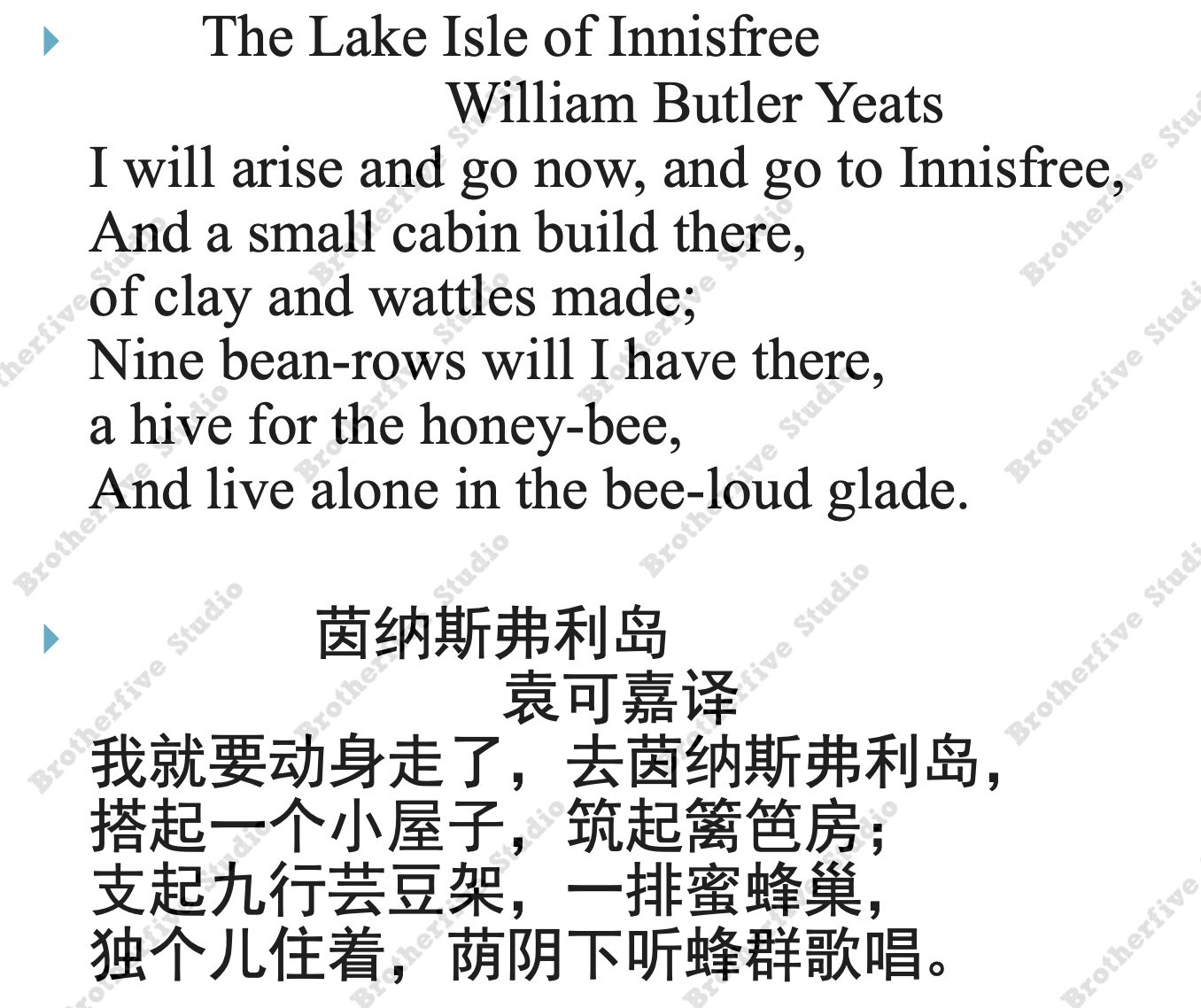
glade: noun (literary) a small open area of grass in a wood or a forest 林中空地
cynical: sarcastic[sɑːˈkæstɪk], sneering, seeing little or no good in anything and skeptical about human progress.
cynic: person who believes that people do not do things for good, sincere or noble reasons, but only for their own advantage.
Cynicism: a school of ancient Greek philosophy.
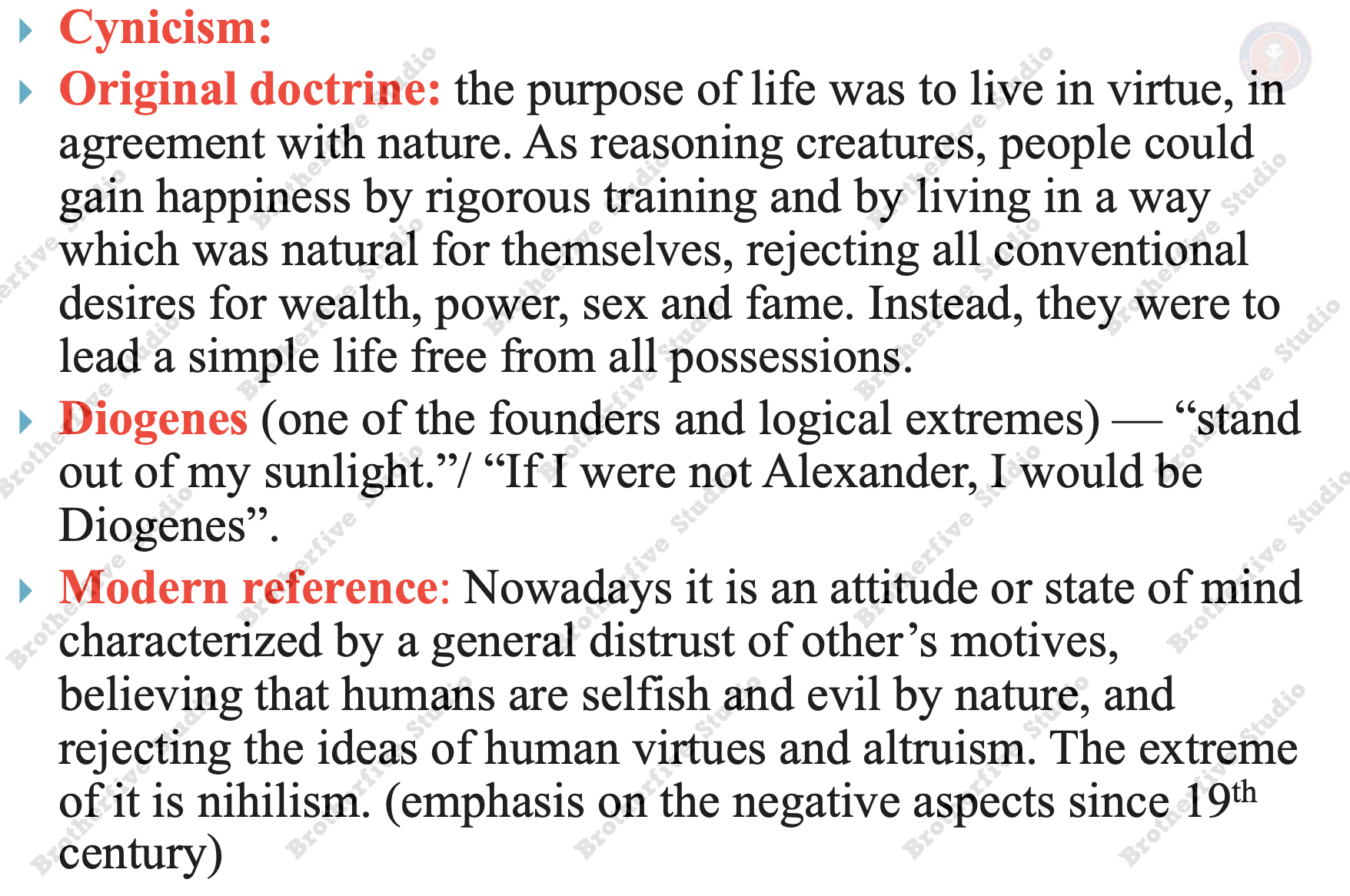
diogenes: 美[daɪˈɑdʒəˌniz] 英[daiˈɔdʒini:z]第欧根尼,约公元前412—前324,“锡诺帕的第欧根尼”(古希腊哲学家,出生于一个铸币厂的家庭 [1] ,犬儒学派的代表人物。活跃于公元前4世纪,生于锡诺帕(Σινπη,Sinopeus,现属土耳其),卒于科林斯。他的真实生平难以考据,但古代留下大量有关他的传闻轶事。
altruism: noun [uncountable] (formal) the fact of caring about the needs and happiness of other people and being willing to do things to help them, even if it brings no advantage to yourself 利他主义。
nihilism: BrE/ˈnaɪɪlɪzəm/NAmE/ˈnaɪɪlɪzəm/ noun [uncountable] (philosophy 哲) the belief that life has no meaning or purpose and that religious and moral principles have no value 虚无主义
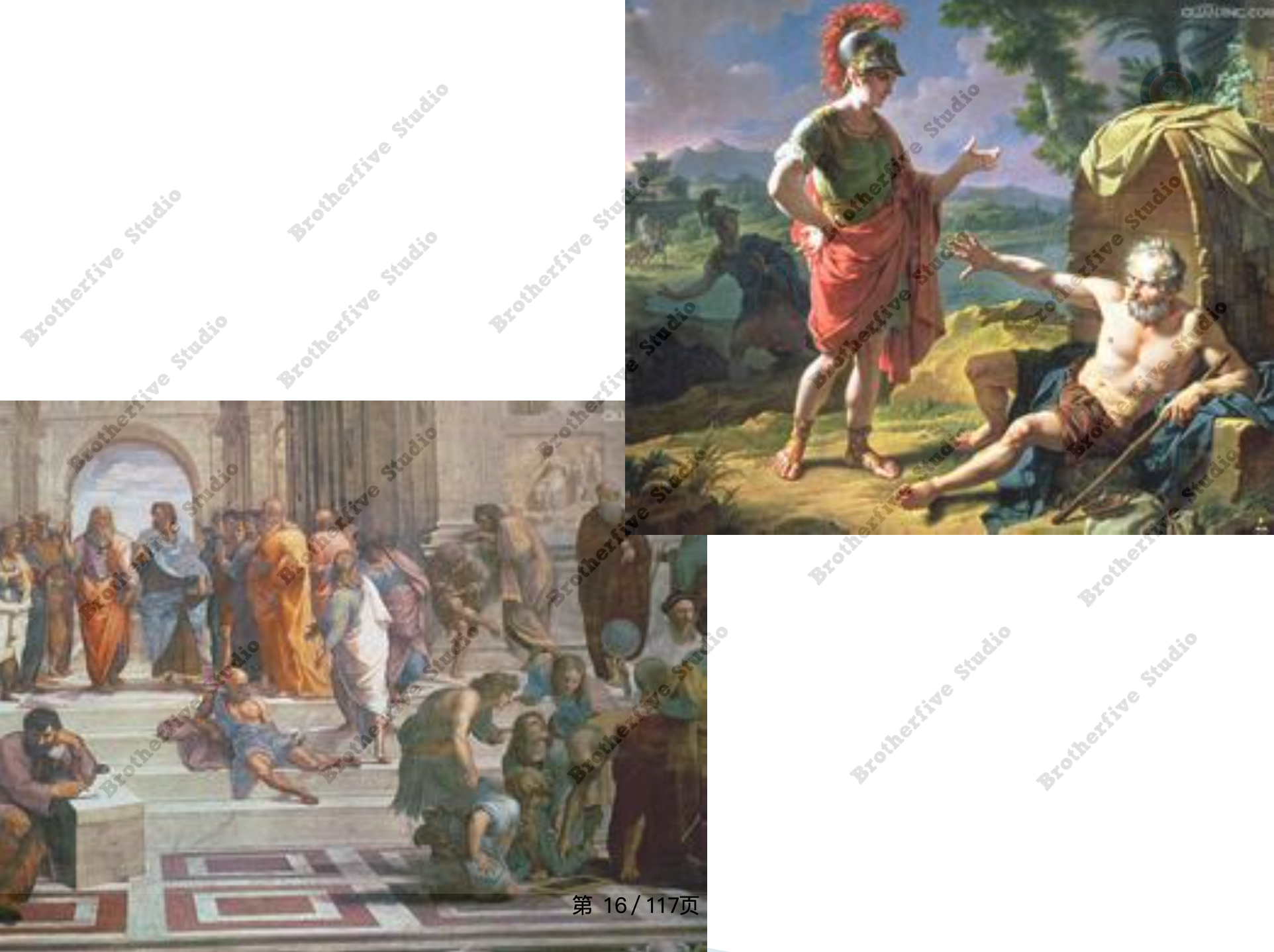
obsess: fill the mind continuously, AmE, to worry/ be distressed continuously and unnecessarily.
obsess/ haunt / preoccupy
frailty: weakness of character or behaviour,vulnerability
“Frailty, thy name is woman.” –Hamlet
A Treatise on Civil War (1861-1865)
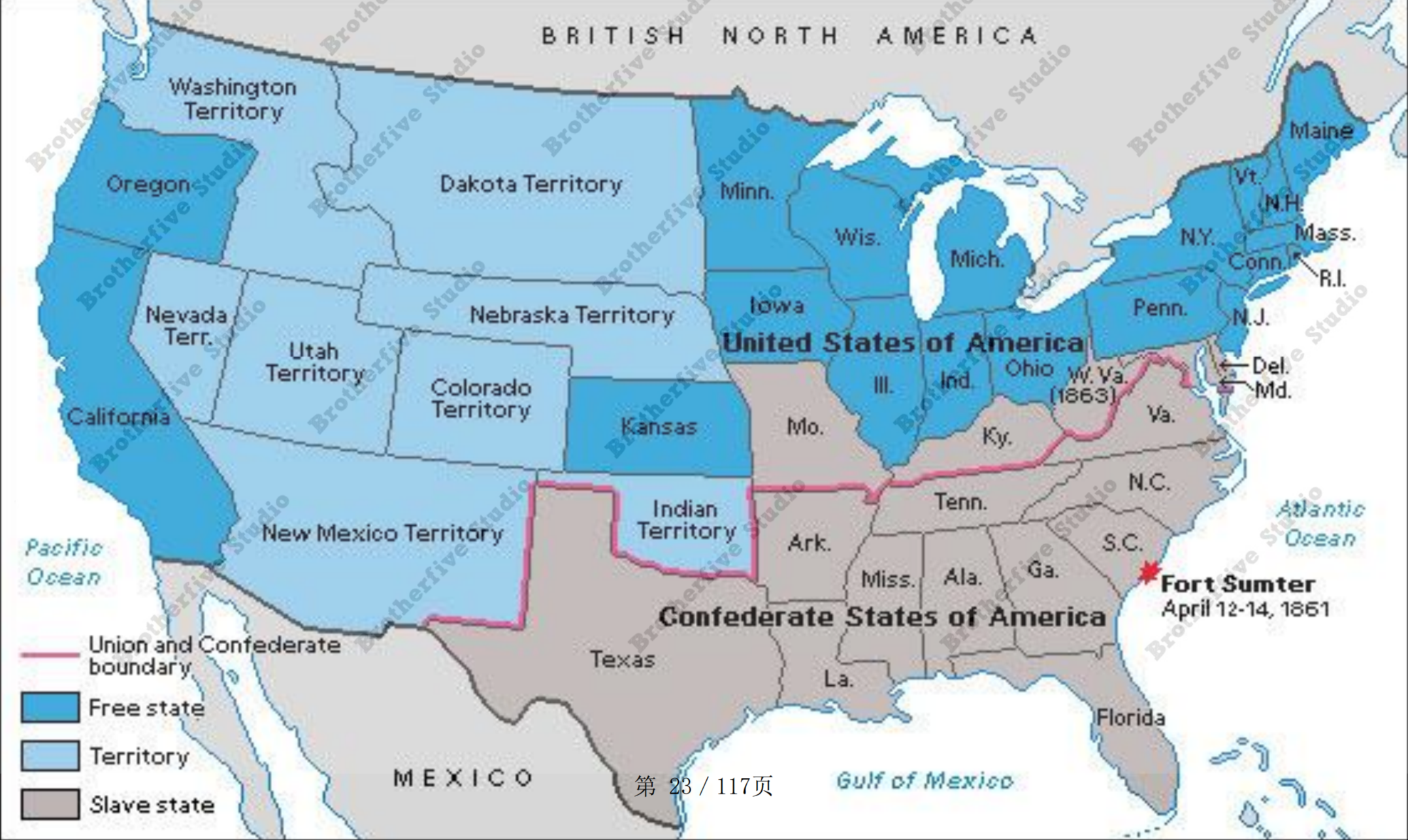
Confederate States of America/ Confederacy (11 states)
The government established by the southern states of the US after their official separation from the union. When president Lincoln was elected (Nov.1860) and opposed the expansion of slavery, seven states ——South Carolina, Georgia, Louisiana, Mississippi, Florida, Alabama, and Texas, seceded . A provisional government was set up at Montgomery, Ala, and a constitution was drafted. Later four
more states—— Arkansas,North Carolina, Virginia, and Tennessee —- joined.
Basics:
South — Confederacy (Genera Robert Eaward Lee)
North — the Union (General Ulysses Grant)
Began in Fort Sumter in April 1861——ended by Lee’s surrender to Grant at Appomattox Courthouse (town in cent. Va) in Apr. 1865——750,000 soldiers dead and unclear on the casualties of civilians.
Reconstruction (Andrew Johnson & Grant)
Civil war — war of economy, justice or humanity?
The Gilded Age by Twain (prosperous but corrupted)
The Foundation of Freedom & Equality
…in the presence of God, and one another, covenant and combine ourselves together into a civil body politic; for our better ordering, and preservation and furtherance of the ends aforesaid; and by virtue hereof to enact, constitute, and frame, such just and equal laws, ordinances, acts, constitutions, and offices, from time to time, as shall be thought most meet and convenient for the general good of the colony; unto which we promise all due submission and obedience.
—-Mayflower Compact (1620)